 Dark
Dark


You Invested in Royalty. Now Protect It.
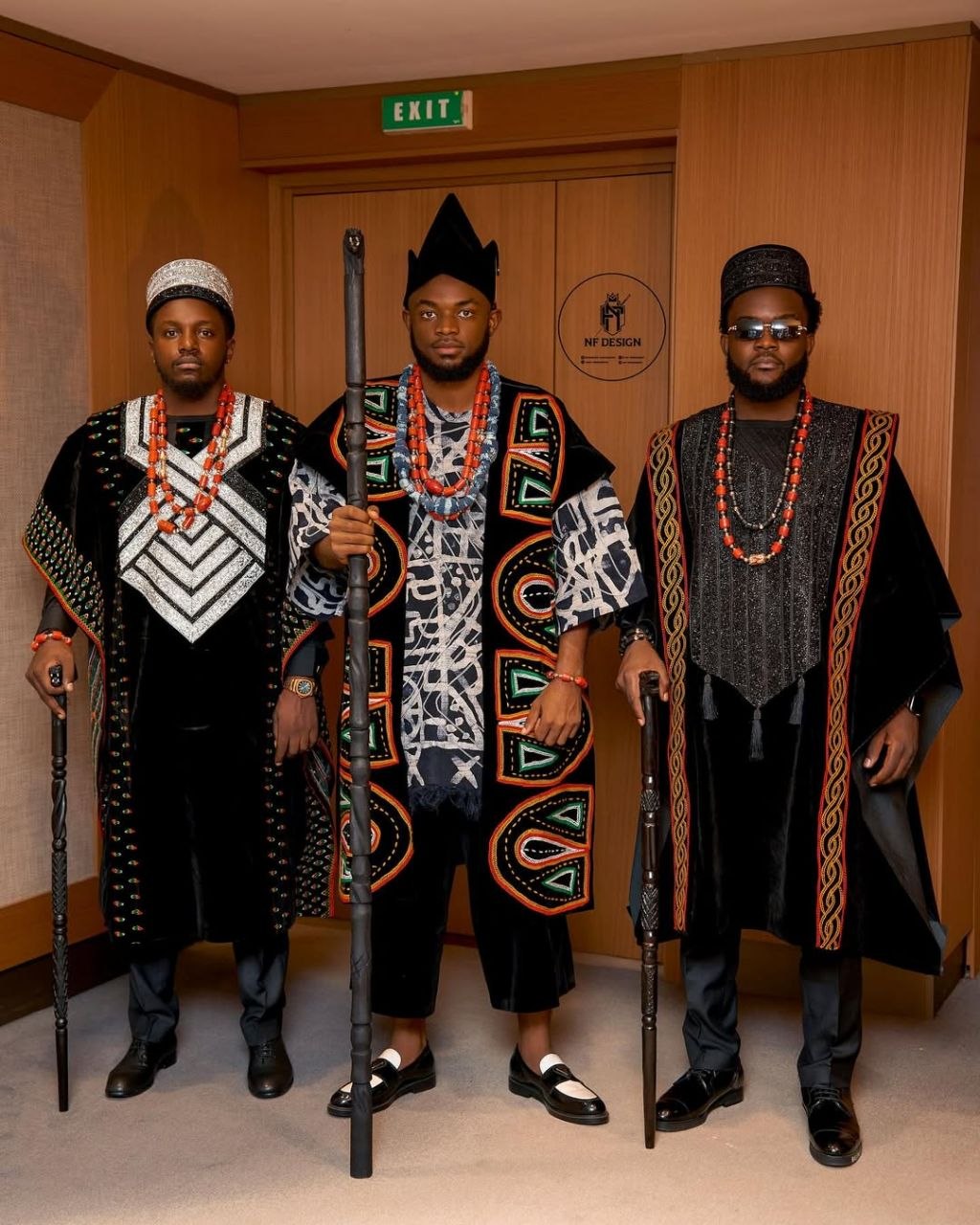
A genuine, hand-embroidered Toghu or Ndop outfit is not a fast-fashion purchase. It is an heirloom – something you may pass down to your children or wear for decades of weddings, festivals, and ceremonies.
But velvet, cotton, and hand-embroidery require care. At NF Design 237, we want your outfit to look as magnificent in 20 years as it does today. Follow these guidelines.
The Golden Rules of Toghu Care
1. Dry Clean Only – No Exceptions
Velvet and hand embroidery do not survive washing machines. The agitation will loosen threads, and water can cause velvet to lose its nap (the soft, raised texture). Take your Toghu to a professional dry cleaner.
2. Never Use Bleach
Bleach destroys the vibrant yellow, orange, red, and gold threads that make Toghu so striking. If you need to spot-clean, use a mild traditional soap (“local soup”) on a damp cloth – and test on an inconspicuous area first .
3. Store Correctly
Do not fold your Toghu tightly – creases can become permanent. Instead:
- Hang on a wide, padded hanger (thin hangers will stretch the shoulders)
- Or lay flat in a breathable garment bag
- Keep away from direct sunlight, which fades colors
4. Address Stains Immediately
If you spill something at a ceremony:
- Blot (do not rub) with a clean, dry cloth
- Take to a dry cleaner as soon as possible
- Do not use water – it can set the stain
Special Care for Ndop (Indigo Cloth)
Ndop is more durable than velvet, but it requires its own attention:
- Indigo can bleed – Wash separately or dry clean
- Avoid harsh detergents – They strip the natural dye
- Iron on the reverse side – Use medium heat, never directly on the white patterns



Laisser un commentaire